Revolutionize Your Sales Outreach Success with Strategic Techniques


In the fiercely competitive arena of modern business, a haphazard approach to sales is a direct path to obscurity. Revenue growth and quota attainment are no longer accidental; they are the direct results of a meticulously crafted and expertly executed sales outreach strategy. This discipline, which sits at the intersection of art and science, is the engine for forging meaningful connections, understanding latent needs, and compellingly conveying value. Whether you are a seasoned veteran or building your first pipeline, mastering strategic outreach is the single greatest lever for accelerating success. This guide delves beyond surface-level tips to provide a comprehensive framework for revolutionizing your approach, optimizing every touchpoint, and consistently generating high-quality opportunities.

Table of Contents

The Foundational Pillar: Deeply Understanding Your Target Audience

Effective outreach is impossible without a profound, almost intuitive, understanding of the people you are trying to reach. Generic, spray-and-pray messaging is instantly recognizable and discarded. The transition from noise to valuable conversation begins with targeted clarity.

Developing a Data-Backed Ideal Customer Profile (ICP)

Your outreach strategy must be anchored by a clear Ideal Customer Profile. This is a firmographic and behavioral blueprint of the companies that derive the most value from your offering and, in turn, become your most successful customers. Key dimensions to define include:

  • Industry & Market Vertical: Where do they operate?
  • Company Size: Revenue, number of employees, growth stage.
  • Technological Stack: What tools are they already using?
  • Key Challenges & Strategic Goals: The macro-level problems they are trying to solve.

For example, a cybersecurity SaaS provider might define its ICP as: “Fintech companies with 200-1000 employees, Series B or later funding, using cloud infrastructure, and for whom data security compliance is a primary regulatory and operational concern.” This precision focuses all subsequent efforts.

Creating Dynamic Buyer Personas

Within your target companies, you engage with individuals. Buyer personas bring your ICP to life by detailing the specific roles, motivations, and pain points of the decision-makers and influencers. A robust persona goes beyond job title to explore:

  • Professional Objectives & KPIs: How is their performance measured?
  • Daily Challenges: What frustrates them or blocks their progress?
  • Information Sources: Where do they seek insights (LinkedIn, industry publications, etc.)?
  • Objection Patterns: What common reservations might they have?

Crafting messages for “Sarah, the Head of Marketing focused on CAC reduction” will be fundamentally different than for “David, the CTO concerned with system integration and data privacy.” This persona-level understanding is the raw material for personalization.

Strategic Channel Selection for Maximum Impact

With a clear audience defined, the next critical decision is where to engage them. A multichannel approach is prudent, but your primary channels should be selected based on where your audience is most active and receptive. The goal is strategic presence, not ubiquitous noise.

Leveraging Digital Platforms Intelligently

Each digital platform serves a unique purpose in the outreach ecosystem:

  • LinkedIn: The premier platform for B2B professional networking and thought leadership. Ideal for sharing insightful content, engaging with posts, and executing highly targeted connection requests and InMail campaigns.
  • Email: Remains the workhorse for direct, personalized, and trackable communication. Success hinges on segmentation, compelling subject lines, and value-driven content.
  • Instagram & Facebook: Powerful for B2C and visual B2B brands. These platforms excel at building community, showcasing product benefits, and engaging users through stories and direct messaging.
  • Industry Forums & Communities: Platforms like Reddit, specialized Slack groups, or G2 Crowd discussions allow you to engage with niche audiences by providing genuine help and establishing credibility.

Introducing DMPro for Precision Instagram Outreach

For businesses where Instagram is a key channel, manual, personalized outreach at scale is a significant challenge. This is where a specialized tool like DMPro becomes a strategic asset. DMPro is a sales engagement platform designed to transform your Instagram outreach from a manual chore into a scalable, results-driven system.

Its power lies in a managed service model: after you sign up with DMPro and define your target audience and competitors, a dedicated account manager takes over to manually send personalized direct messages. This human touch, guided by your strategy, ensures authenticity that automated bots cannot replicate.

Key features that enhance your customer outreach include:

  • Personalized Messaging: Moving beyond generic blasts to build genuine connections.
  • Custom Template Library: Create up to 5 tailored Instagram DM templates for different audience segments, balancing efficiency with personalization.
  • Strategic Targeting: Focus efforts on high-intent users most likely to convert.

Integrating a tool like DMPro into your broader outreach strategy allows you to harness the visual and interactive power of Instagram professionally, turning engagement into tangible leads and sales conversations.

The Art and Science of Crafting Compelling Outreach Messages

With the right audience and channel identified, the message itself becomes the decisive factor. Every word must earn the recipient’s attention and respect.

Essential Components of a High-Converting Message

A powerful outreach message follows a clear, value-oriented structure:

  1. The Personalized Hook (5-10 seconds): Open with a specific, relevant observation that proves you’ve done your homework. Reference a recent post, company achievement, or shared connection.

    Example: “Hi [Name], I just read your team’s case study on [Specific Initiative] and was particularly impressed by the approach to [Key Detail].”
  2. The Value Proposition Bridge (10-15 seconds): Briefly connect your insight to a relevant challenge or goal they likely have. This demonstrates empathy and contextual understanding.

    Example: “It highlights the importance of [Principle], which is often a challenge when trying to scale [Related Process] without sacrificing quality.”
  3. The Clear, Low-Friction Ask (5 seconds): Propose a simple, logical next step that offers clear value to them, not just to you.

    Example: “We’ve helped similar companies in [Their Industry] streamline this. Would you be open to a brief 15-minute chat next week to share a few patterns we’ve seen?”

Advanced Personalization Techniques

Move beyond basic name insertion. True personalization leverages research to create relevance:

  • Trigger Event-Based Outreach: Reach out based on a specific signal, such as a funding announcement, new product launch, leadership change, or news mention. This makes your message timely and highly relevant.
  • Mutual Connection Reference: If you share a credible connection, mentioning them (with permission) can dramatically increase trust and open rates.
  • Content-Specific Engagement: Comment thoughtfully on their public content before sending a direct message, creating a natural entry point for conversation.

Optimizing for Consistency and Scale

A single successful outreach is a victory; a repeatable system for generating conversations is a revolution. Optimization is key.

Building a Process: Cadence, Tracking, and Iteration

Success requires moving from ad-hoc actions to a disciplined process:

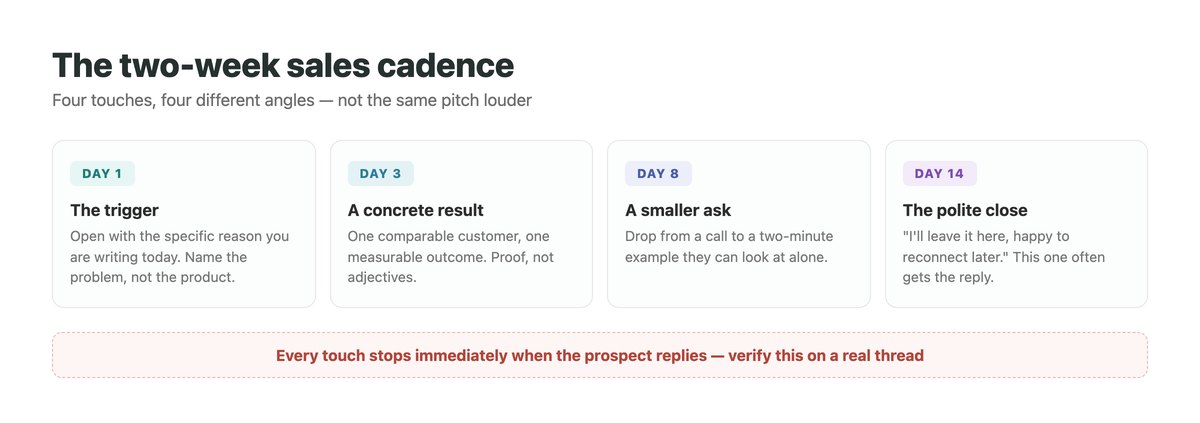
  1. Define a Multichannel Cadence: Map out a sequence of touches across different channels (e.g., LinkedIn connection request → follow-up message → personalized email). Space touches appropriately to stay persistent without becoming intrusive.
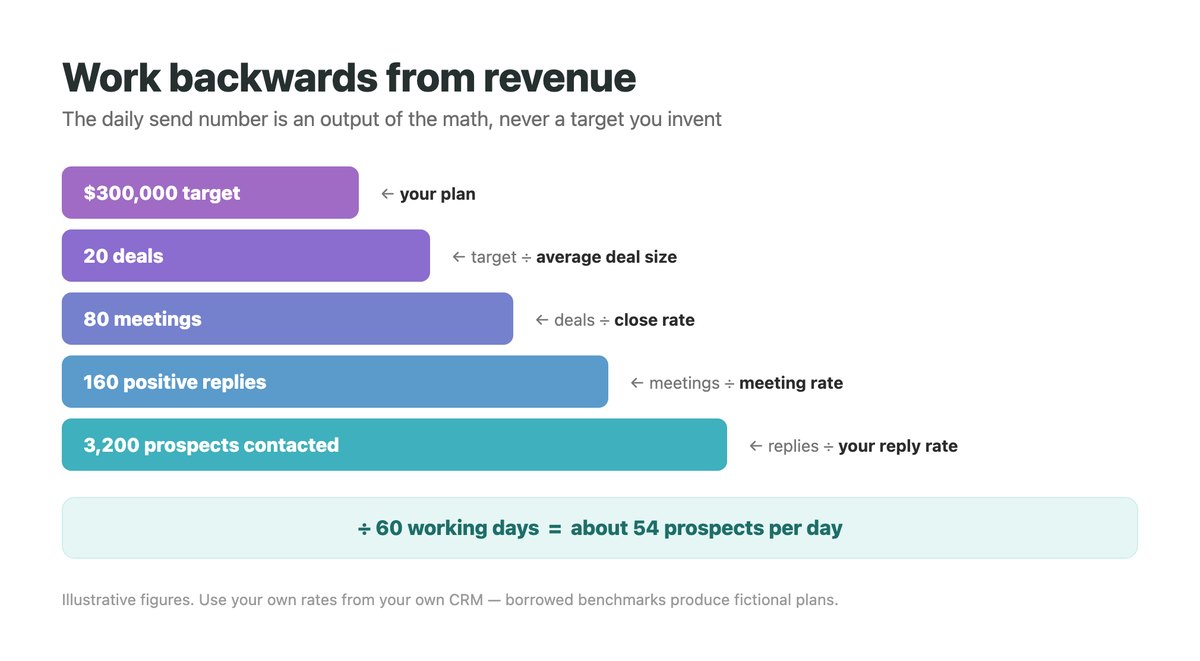
  2. Meticulously Track Metrics: Monitor open rates, reply rates, meeting booking rates, and ultimate conversion. Identify which messages, channels, and personas perform best.
  3. A/B Test Relentlessly: Continuously experiment with different subject lines, message hooks, value propositions, and call-to-action phrasing. Let data, not intuition, guide your refinements.

Leveraging Technology for Efficiency

Utilize tools to automate administrative tasks while preserving personalization:

  • CRM Integration: Ensure all outreach activity and responses are logged in your CRM to maintain context and continuity.
  • Sequencing Platforms: Use email and LinkedIn sequencing tools to automate follow-ups based on recipient behavior (e.g., if

    ✨ Enhanced Content ✨

    In today’s competitive business landscape, having a strong sales outreach strategy is essential for driving revenue and achieving sales goals. 

    Whether you’re a seasoned sales professional or just starting out, mastering the art of sales outreach can make a significant impact on your success. By reaching out to potential customers, understanding their needs, and effectively conveying the value of your offering, you can forge meaningful connections and generate sales opportunities. 

    In this blog, we will explore the key elements of successful sales outreach and provide actionable tips to help you optimize your approach. Get ready to unlock the power of sales outreach and take your sales efforts to new heights.

    Selecting the Right Outreach Channels

    Choosing the most effective outreach channels is crucial for maximizing the impact of your outreach sales efforts. With numerous options available, it’s essential to select the channels that align with your target audience’s preferences and provide the best opportunities for engagement. 

    Here’s how you can choose the right outreach channels and leverage powerful tools like DMPro to reach out to new customers and convert them effectively.

    Leverage Digital Platforms

    Digital platforms offer a wealth of opportunities for outreach sales. Social media platforms, such as Instagram, LinkedIn, Facebook, and Twitter, provide avenues for connecting with potential customers, sharing valuable content, and establishing thought leadership. 

    Leverage Digital Platforms for sales outreach

    Email marketing allows for personalized and targeted outreach. Additionally, industry-specific forums and communities can be effective for engaging with niche audiences.

    Introducing DMPro for Effective Sales Outreach

    When it comes to outreach sales tools, DMPro stands out as a powerful sales engagement platform designed to boost your outreach efforts on Instagram. With DMPro, you gain access to a range of features that can help your customer outreach and convert them into leads or sales.

    By signing up with DMPro, you can define your target audience and competitives, and a dedicated account manager will manually send personalized direct messages to engage potential customers. This personalized approach sets you apart from generic outreach efforts and increases the likelihood of positive responses.

    DMPro also allows you to have up to 5 custom Instagram DM templates, enabling you to tailor your messages to specific segments of your target audience. This level of personalization enhances the effectiveness of your outreach and helps you build meaningful connections.

    Instagram Messaging Tool - DMPro

    By leveraging DMPro as part of your outreach strategy, you can tap into the power of Instagram and utilize its visual and interactive nature to engage with potential customers effectively. So sign up to DMPro today and  elevate your sales game!

    Remember to integrate DMPro as an integral part of your outreach sales efforts, combining it with other relevant outreach channels, to create a comprehensive and impactful outreach strategy.

    Understand Your Target Audience for Effective Sales Outreach

    In a sales outreach strategy, it is crucial to have a deep understanding of your target audience. By gaining insights into their preferences, pain points, and motivations, you can tailor your outreach efforts to resonate with them and drive better results. Here are two key steps to help you understand your target audience better:

    Defining an Ideal Customer Profile

    Begin by defining an ideal customer profile that represents your target audience. Consider factors such as demographics, psychographics, industry, and company size. This profile serves as a blueprint for identifying prospects who are most likely to benefit from your product or service.

    For instance, if you offer project management software targeted at small businesses, your ideal customer profile may include characteristics such as startups with remote teams, fast-growing companies with limited resources, or businesses seeking streamlined collaboration tools.

    Developing Detailed Buyer Personas

    Once you have defined your ideal customer profile, develop detailed buyer personas within that profile. These personas represent different segments of your target audience and provide a deeper understanding of their specific needs and pain points. Consider factors such as job titles, responsibilities, challenges, goals, and preferred communication channels.

    developing buyer persona

    For example, one buyer persona may be a marketing manager in a mid-sized e-commerce company looking to optimize their digital advertising campaigns. Another persona could be a sales director in a B2B organization seeking ways to improve sales team efficiency. By developing such personas, you can tailor your outreach messages and approach to address their unique needs effectively.

    Crafting Personalized Outreach Messages

    Crafting personalized outreach messages is essential for capturing the attention and interest of your target audience. It demonstrates that you understand their specific needs and offers a tailored solution. Here are some tips and examples to help you craft effective personalized outreach messages:

    Start with a Warm Introduction

    Begin your message with a personalized greeting or mention something specific about the recipient or their company. This helps establish a connection and shows that you’ve taken the time to research and understand their context.

    Example: “Hi [Name], I came across your recent article on [Topic] and was impressed by your insights into [Specific Point].”

    Highlight Relevant Benefits

    Clearly communicate the benefits your product or service offers and how it can address the recipient’s pain points or challenges. Focus on how your solution can make a positive impact on their specific situation.

    Example: “Our software can streamline your project management process, saving you valuable time and ensuring seamless collaboration across your remote team.”

    Personalize Based on Research

    Refer to any relevant research or information you gathered about the recipient or their industry. This demonstrates your genuine interest and shows that you’ve done your homework.

    Example: “I noticed that your company recently expanded into [Market], and our solution has helped similar businesses increase their market share by 20% within six months.”

    Provide Social Proof

    Incorporate testimonials, case studies, or success stories that showcase how your product or service has benefited others in similar roles or industries. This helps build credibility and trust.

    Example: “Our platform has helped companies like [Company Name] achieve a 30% increase in customer retention and a 25% boost in revenue within the first year of implementation.”

    How Can DMPro Help You?

    Now, let’s explore how DMPro can enhance your personalized Instagram DM outreach efforts. DMPro offers the benefit of having up to 5 different DM templates. This feature allows you to create multiple message variations tailored to different segments of your target audience. 

    For example, you can have specific templates for different industries, pain points, or stages of the sales cycle.By utilizing these templates, you can ensure your outreach messages are personalized and relevant to the recipients, increasing the likelihood of positive responses. 

    DMPro Direct message template

    This level of customization and personalization, made possible by DMPro’s template functionality, helps you stand out from generic outreach efforts and establish a more meaningful connection with your prospects. So  Sign up to DMPro and design your templates today!

    Nurturing Relationships and Follow-ups

    Nurturing relationships and following up with potential customers is a critical aspect of successful outreach. It demonstrates your commitment, builds trust, and increases the chances of conversion. Here are some tips and examples for nurturing relationships and effective follow-ups:

    Be Timely and Persistent:

    Follow up promptly after the initial outreach to stay on the recipient’s radar. Be persistent without being pushy, using a friendly and respectful tone. Timing is crucial, so ensure your follow-up messages are spaced appropriately to avoid overwhelming the recipient.

    Example: “Hi [Name], I wanted to check in and see if you had any questions about the information I shared last week. I’m here to assist whenever you’re ready.”

    Provide Additional Value:

    Offer additional resources, insights, or relevant content that can help the recipient in their decision-making process. Share industry articles, case studies, or success stories that align with their interests or pain points. This showcases your expertise and reinforces the value you can bring.

    Example: “I came across this insightful article that delves deeper into the challenges you mentioned. I thought you might find it helpful in refining your strategies.”

    Personalize Based on Interactions:

    Refer to previous conversations or interactions to show that you’ve been actively engaged with the recipient. Reference specific points discussed or any actions they have taken, demonstrating your attentiveness and commitment to their needs.

    Example: “It was great connecting with you at the industry conference last month. I remember our conversation about the importance of streamlining your supply chain process and wanted to share a success story of a client who achieved significant cost savings through our software.”

    Nurturing Relationship With Customers With DMPro

    Now, let’s explore how DMPro can assist in nurturing relationships through Instagram DM. DMPro provides the advantage of dedicated account managers who manually send personalized direct messages on your behalf. 

    These account managers understand the importance of building relationships and engage with potential customers in a thoughtful and personalized manner.

    With the help of DMPro’s account managers, you can ensure that your outreach messages are handled by professionals who understand the nuances of relationship-building. They can tailor the messages, address specific pain points, and nurture conversations with your target audience. 

    This personal touch enhances the chances of establishing a meaningful connection and converting prospects into loyal customers.

    By leveraging DMPro’s dedicated account managers, you can focus on building and nurturing relationships, confident that your outreach efforts are being handled with care and expertise. So what are you waiting for? Sign up to DMPro today and change your business game now!

    Crafting a Compelling Value Proposition

    A compelling value proposition is a key element of successful outreach sales. It articulates the unique benefits and value that your product or service offers to your target audience. 

    By crafting a strong value proposition, you can differentiate yourself from competitors and capture the attention of potential customers. Here are some examples and useful tips to help you create a compelling value proposition:

    Highlight the Unique Selling Proposition (USP)

    Identify what sets your product or service apart from others in the market. What unique features, benefits, or advantages do you offer? For example, if you provide a project management tool, your USP could be its user-friendly interface and seamless integration with popular productivity apps.

    Address Customer Pain Points

    Understanding the challenges and pain points of your target audience is essential for crafting a compelling value proposition. Identify the specific problems your product or service solves and how it alleviates pain points. For instance, if you offer customer support software, emphasize how it streamlines ticket management, reduces response times, and enhances customer satisfaction.

    Address Customer Pain Points

    Quantify Benefits and Results

    Whenever possible, quantify the benefits and results your customers can expect from using your product or service. Numbers and statistics provide tangible evidence of value. For example, if you offer a marketing automation platform, highlight how it has helped businesses increase lead conversions by 30% or reduce marketing costs by 20%.

    Use Clear and Concise Language

    Craft your value proposition using clear and concise language that is easy for your target audience to understand. Avoid industry jargon or complicated terminology. Keep it simple, straightforward, and focused on the benefits that matter most to your customers.

    Testimonials and Social Proof

    Incorporate testimonials, case studies, or social proof to support your value proposition. Highlight positive feedback from satisfied customers, showcase success stories, and feature any industry recognition or awards your product or service has received. This builds trust and credibility, further strengthening your value proposition.

    Remember, a compelling value proposition should clearly communicate the unique benefits, address customer pain points, quantify results, use concise language, and provide social proof. By crafting a compelling value proposition, you can effectively engage your target audience and convince them of the value your product or service brings to their lives or businesses.

    FAQs on Sales Outreach

    Now let’s answer some frequently asked questions on “sales outreach”.

    What is Sales Outreach

    Sales outreach refers to the proactive efforts made by sales professionals to engage with potential customers, establish connections, and generate sales opportunities through various communication channels.

    How to Automate Cold Outreach Sales?

    To automate cold outreach sales, you can utilize customer relationship management (CRM) software and sales engagement platforms. But it’s better not to do that, at least not on all social media. For example, Instagram is very restricted on automation DMs and your account may be flagged as a spammer. So it’s best to use manual DMing to reach out to customers.

    Why Outreach is Important for Sales

    Outreach is important for sales because it allows sales professionals to proactively reach out to potential customers, build relationships, and convey the value of their products or services. It helps generate leads, nurture prospects, and ultimately drive sales growth.

    What is Outreach in Sales

    In sales, outreach refers to the proactive efforts made by sales professionals to connect with potential customers through various channels, such as emails, phone calls, social media, and networking events. It involves initiating conversations, sharing information, and building relationships to drive sales success.

    What to Include in a Sales Outreach Video?

    Sales outreach videos should be concise, engaging, and focused on conveying the value proposition of your product or service. Include a clear introduction, highlight key benefits, address pain points, and provide a strong call-to-action. Personalize the video to the recipient, keeping it relevant and compelling.

    How Do You Increase Sales Outreach?

    • Expand your target audience by identifying new potential customers.
    • Utilize multiple outreach channels to reach a broader audience.
    • Improve your messaging by focusing on the unique value you offer.
    • Continuously analyze and optimize your outreach strategy based on data and feedback.

    Why Use Outreach for Sales?

    Outreach is crucial for sales because it allows you to proactively engage with potential customers, establish connections, and generate sales opportunities. It enables you to showcase the value of your product or service, build relationships, and ultimately drive revenue growth.

    Is Outreach a Sales or Marketing?

    Outreach can be considered both a sales and marketing activity. It aligns with sales by directly engaging with potential customers, initiating conversations, and driving conversions. It also aligns with marketing by promoting brand awareness, conveying value propositions, and establishing a strong market presence. Effective outreach requires collaboration between sales and marketing teams to achieve optimal results.

    Conclusion

    Effective sales outreach is a powerful tool for driving business growth and building lasting customer relationships. Remember, sales outreach is not just about selling; it’s about building connections and providing value to your prospects. Take the time to research and understand your audience, tailor your messages to their needs, and be persistent in following up. Leverage the power of digital platforms, such as social media and email, to engage with your prospects effectively.

    Furthermore, tools like DMPro can significantly enhance your sales outreach efforts, offering features like personalized direct messages and dedicated account managers. With DMPro, you can take your outreach to new heights, reaching out to potential customers on Instagram with precision and personalized attention.

    By implementing the strategies and leveraging the right tools, you can unlock the potential of sales outreach, foster meaningful relationships, and drive your sales success to new heights..

    [elementor-template id="24702"]